

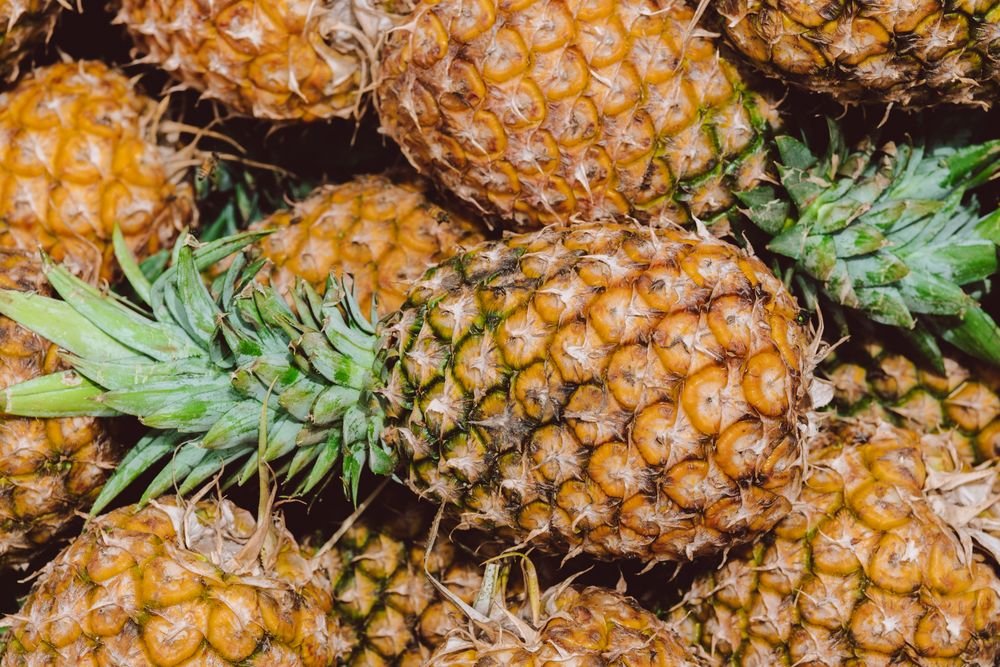
Shoppers in Hawaii and across North America have noticed something unusual at the grocery store — fewer pineapples on shelves, smaller fruit, and higher prices. For most people, it feels sudden. But the reasons behind it have been building for a while.
This article breaks down what is actually driving current pineapple shortages, which regions are affected, how fresh and canned markets differ, and what consumers, retailers, and restaurants can expect in the months ahead.
Not Every Region Is Experiencing the Same Problem
Before assuming pineapples are disappearing everywhere, it helps to understand that conditions vary widely by region.
Hawaii has experienced a genuine, months-long shortage. Stores and restaurants have had noticeably limited availability, and the fruit showing up on shelves has been smaller than usual. That is a real supply disruption, not just a perception issue.
On the US mainland, the situation is better described as “steady but tight.” Most supermarkets still have pineapples, but certain types — organic pineapples, crownless fruit, and larger sizes — are harder to find. Standard mid-sized fruit has remained more available.
Globally, the picture is one of volatility and tightness rather than a total collapse. Supply chains are strained, prices are elevated, and specific markets face sharper constraints than others. But pineapple has not disappeared from the global food supply.
Weather Has Disrupted Crops Across Multiple Growing Regions
Weather is the single most important factor driving current shortages, and it has hit several key growing regions at once.
Hawaii
An unusually cool winter disrupted the natural fruiting cycle of pineapple plants and delayed the fall harvest. Growers including Dole Food Company and Maui Gold have confirmed this directly. The result was a smaller crop with smaller-sized fruit — not a permanent problem, but a real one that lasted several months.
Think of it like seasonal berries. If unusual weather hits during the flowering stage, the harvest that follows is smaller and arrives later. Pineapples behave the same way.
Costa Rica
Costa Rica is one of the world’s most important pineapple suppliers, particularly for fresh fruit reaching North American markets. Heavy rainfall in late 2024 and into 2025 disrupted planting schedules there. Industry forecasts suggest those disruptions could point to lower projected volumes continuing into 2026.
Market reports note that Costa Rican supplies have remained steady in some windows, but tight overall — especially for organic and crownless varieties. Mexico, another significant supplier, has seen declining volumes after its peak season, which has further tightened availability of larger fruit sizes.
Southeast Asia
Thailand, the Philippines, and Indonesia are the dominant producers of canned pineapple globally. Climate shocks — including drought and storms — have constrained output across the region. Farm-gate prices in these countries are near record highs, which limits how much growers can scale up quickly even when demand is strong.
These are not isolated incidents. Multiple growing regions experiencing weather disruptions in overlapping timeframes is exactly the kind of convergence that turns regional tightness into broader market pressure.
Rising Costs and Logistics Add Pressure on Top of Weather
Weather explains a lot, but it does not explain everything. Economic and supply-chain pressures are amplifying the shortages and making recovery slower than it might otherwise be.
Production costs have risen significantly across pineapple-growing regions. Fertilizer, energy, and labor are all more expensive than they were several years ago. That limits how quickly growers can expand output or recover from a bad season. When margins are tight, farmers have less buffer to absorb disruptions.
Global shipping adds another layer of uncertainty. Container delays and routing complexity can turn a moderately tight supply situation into an acute local shortage. A shipment that arrives two weeks late during a period of already-limited supply can empty shelves that would otherwise have had product.
Farm-gate and export prices for pineapple are substantially higher than pre-pandemic levels. That increase is working its way through the supply chain to retail. One of the first signs consumers notice is the disappearance of promotional discounts — pineapples that were previously featured on sale simply stop appearing in weekly specials. That shift reflects procurement caution, not just price inflation.
Retailers and distributors are managing tighter budgets carefully, and promotional pricing on fresh pineapple is one of the first things that gets scaled back when supply is uncertain.
Pineapple Juice Demand Is Pulling Supply Away From Fresh Markets
There is a less obvious factor at play that deserves attention: the orange juice shortage.
Reduced orange juice supply — driven largely by disease and weather damage to citrus crops in Florida and Brazil — has pushed beverage producers to look for alternatives. Pineapple juice has become one of the primary substitutes. That increased industrial demand pulls raw pineapple away from fresh export channels and from canned production.
For processors in Thailand and the Philippines, this creates a direct trade-off. They can sell fruit to juice manufacturers, or they can fulfill canned pineapple export orders. When juice demand rises and farm-gate prices are already high, the economics often favor selling to juice buyers.
The downstream effect of that decision shows up on supermarket shelves months later, when canned pineapple supplies in North America and Europe become tighter than expected. Consumers may not connect a canned pineapple gap at the grocery store to an orange juice shortage, but that chain of substitution is real and documented.
What Consumers, Retailers, and Restaurants Can Expect
The near-term outlook depends on which market you are talking about.
For fresh pineapple in Hawaii, growers anticipated improvement around mid-November as the next harvest — sometimes called the “Christmas crop” — came in. That represents a seasonal recovery, not a long-term resolution of underlying climate risk.
For fresh pineapple on the US mainland, conditions are expected to remain tight in certain categories. Organic, crownless, and large-format fruit are likely to stay constrained longer than standard mid-sized product. Shoppers who rely on specific sizes or certifications may find limited options for the foreseeable future.
For canned pineapple globally, the 2025–2026 outlook is one of tight supply, elevated prices, and continued volatility. New climate shocks in Southeast Asia could push the market back into acute shortage. That is not a certainty, but it is a credible risk that procurement teams at food companies and retailers are actively managing.
Restaurants and hospitality businesses, particularly in Hawaii and tropical tourism markets, have already adjusted. Some operations have been advised to expect limited fresh pineapple availability and to modify menus accordingly — reducing fresh garnishes, substituting other fruits, or shifting to bottled juice where appropriate.
For procurement professionals and food buyers, the practical response involves diversifying supplier relationships, locking in volume earlier than usual, and monitoring weather and shipping conditions more closely. The same strategy applies to beverage companies that rely on pineapple juice as a core ingredient.
Readers looking for broader business context on supply-chain topics like this one can find additional coverage at TheBizOutline.
The Bigger Picture
The current pineapple shortage is not a single-cause event, and it is not a permanent collapse of global supply. It is the result of several pressures arriving at the same time — unusual weather across multiple growing regions, elevated production costs, logistical friction, and a demand shift driven by the orange juice shortage.
What makes it worth paying attention to is not the shortage itself, but what it illustrates. Tropical fruit supply chains are more sensitive to climate and cost shocks than most consumers realize. When growing seasons are disrupted in Hawaii, Costa Rica, Thailand, and the Philippines at roughly the same time, the effects reach grocery shelves in ways that feel abrupt — even though the underlying causes have been building for months.
For most consumers, the practical impact is higher prices, occasional gaps in specific product categories, and fewer promotional deals. For businesses that rely on pineapple in volume — juice producers, food manufacturers, restaurants — the situation calls for more active supply management than they may have needed in previous years.
Supply is expected to improve in phases, but the factors driving current volatility — climate risk, elevated costs, and shifting industrial demand — are not resolved quickly. Treating this as a one-time disruption rather than a signal of ongoing market sensitivity would be a planning mistake for any business with meaningful pineapple exposure.
Read Also: