

Ahead of several major winter storms in early 2026, municipalities across the Midwest and Northeast were rationing road salt. Not because the world is running out of it — but because the supply chain that delivers it had broken down.
This article explains what the road salt shortage actually is, what caused it, which regions felt it most, how governments and businesses responded, and what can be done to avoid repeating the same problems next winter.
Road Salt vs. Table Salt — Why This Is a Winter Safety Issue, Not a Food Crisis
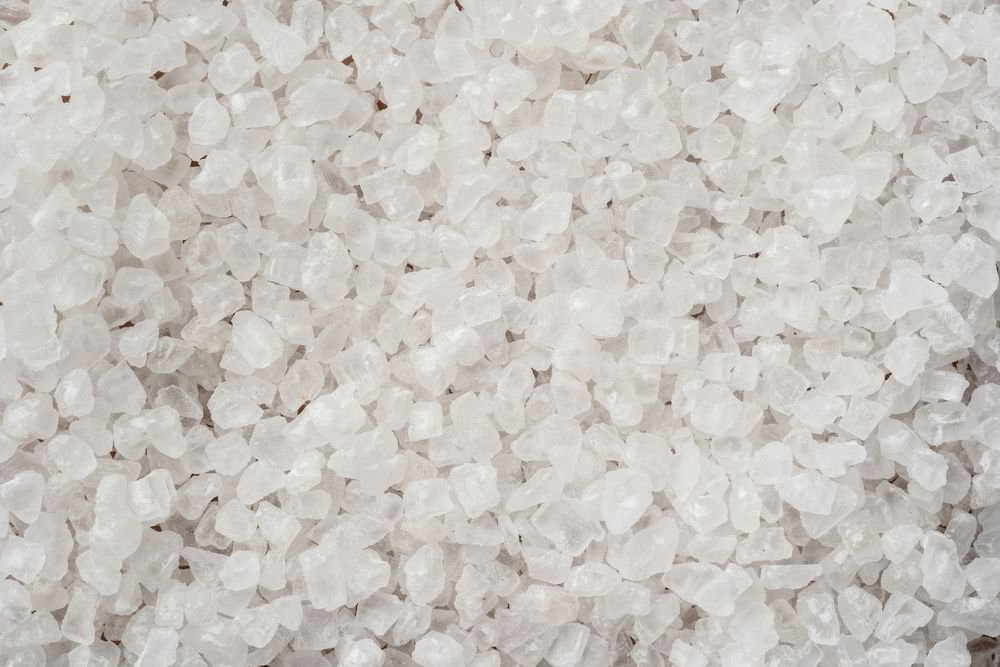
The first thing worth clarifying: this shortage has nothing to do with the salt on your dinner table. Road salt — technically called halite or rock salt — is a completely separate product, with its own producers, distributors, and customers.
Supermarket table salt supplies have not been reported as significantly constrained. The shortage affecting headlines is about the coarse, unrefined rock salt used to de-ice roads, highways, parking lots, and bridges during winter storms.
That distinction matters because road salt demand behaves very differently from other commodities. Governments are legally and politically required to keep roads safe. That means demand doesn’t drop much even when prices rise or supply tightens — officials have to find salt regardless of the cost.
It’s also worth noting that the shortage is not a sign of geological scarcity. Salt deposits in North America — particularly the Salina Group formations — are described by industry analysts as virtually unlimited. The problem is not the resource itself. The problem is production capacity, investment, and logistics.
How North America’s Road Salt Supply Chain Reached a Breaking Point
The 2025–2026 shortage did not come out of nowhere. Several structural problems had been building for years before they collided in a single difficult winter season.
Static Production Capacity
North American salt production capacity has remained essentially unchanged since the 1990s, even as de-icing demand has grown. No significant new mines or processing facilities have come online to keep pace. Regulatory barriers and capital investment challenges have slowed development, despite the resource being abundant.
Heavy Reliance on Imports
To fill the gap, North America imports an estimated 8 to 10 million tonnes of salt each year — roughly 20 to 35 percent of the total market. Most of that comes from Chile, Egypt, and Morocco. When global shipping conditions deteriorate or a specific supplier faces disruptions, that imported volume can’t arrive fast enough to meet demand.
Just-in-Time Procurement
Many municipalities and private contractors plan their salt purchases around average winter conditions. They order what they expect to need, based on typical storm frequency and severity. That model works fine in a normal year. In a year with repeated severe storms, it fails quickly.
Think of it like a grocery store that stocks shelves based on average weekly sales. When a blizzard is forecast, shoppers clear the shelves in hours — and the next delivery truck is days away. Municipal salt procurement runs on a similar logic, and the results during extreme seasons are predictably the same.
An Aging Logistics Workforce
Beyond production and procurement, there’s a workforce issue. An aging logistics workforce — sometimes described in industry analysis as a “grey tsunami” — has reduced the domestic capacity to efficiently move salt from ports to inland storage and distribution points. Even when salt exists at a port, getting it where it’s needed quickly has become more difficult.
Corporate Decisions and Local Gaps Made Certain Regions Especially Vulnerable
Broad structural problems don’t affect every region equally. In several areas, specific business decisions made local shortages significantly worse.
Southwest Ohio
Southwest Ohio faced one of the most acute shortages in the country. The closure of Cincinnati terminals removed more than 200,000 tons of local storage and throughput capacity from the regional market. At the same time, Cargill exited the regional salt market entirely, and Morton shifted its focus toward government contracts — leaving private buyers with far fewer options and much longer supply lines.
Industry advisors in the region began urging businesses to purchase salt at 110 to 150 percent of their typical seasonal needs, and to secure preseason contracts rather than waiting until storms were imminent.
Michigan
Commercial snow-removal companies in Michigan reported constrained salt availability throughout the season. Companies were forced to reduce application rates, prioritize high-risk areas like building entrances and parking ramps, and in some cases adjust their service pricing or contract terms to account for volatile costs.
Columbus and Cleveland, Ohio
In Columbus, local officials acknowledged supply chain pressure and higher prices. Officials stated they did not expect salt availability or pricing to improve quickly — raising concerns that the difficulties of the 2025–2026 season could carry into the next one.
Cleveland went further, issuing formal public guidance on how salt would be prioritized. Main roads, hills, dangerous intersections, and areas near hospitals and schools would receive treatment first. Residential side streets would receive less salt or slower service. It was a clear, official acknowledgment that scarcity was forcing trade-offs in public safety coverage.
The Economic and Operational Costs of Salt Scarcity
Shortages don’t just create inconvenience — they create measurable costs across multiple sectors.
For municipalities, higher procurement prices translate directly into budget pressure. Salt is a non-negotiable winter expense, which means cost overruns in this category typically come at the expense of other public services or get absorbed into the following year’s budget.
For snow-removal contractors, the shortage forced real operational changes. Some companies moved from flat-rate seasonal contracts to per-application pricing, giving them more flexibility as salt costs fluctuated. Others added surcharge clauses to new agreements specifically to address salt price volatility. Businesses that rely on third-party snow removal — retail stores, logistics facilities, healthcare campuses — absorbed those higher service costs.
Retail consumers also felt the effects before major storms. Hardware stores in affected regions reported running low on bagged salt as residents stocked up ahead of forecasted snowfall. That stockpiling behavior, while understandable, accelerated the depletion of limited retail inventory and left later shoppers with fewer options.
Specific price increase figures vary by region and contract type. Without citing exact verified numbers, it’s fair to say that procurement costs rose meaningfully across the affected markets — enough to prompt formal responses from both local governments and private businesses.
What Governments, Businesses, and Residents Can Do
The 2025–2026 shortage has generated some practical lessons — and most of them point toward earlier, more deliberate planning.
For Municipalities
- Build larger preseason stockpiles rather than relying on just-in-time delivery schedules
- Diversify suppliers and reduce dependence on a single import source or distribution terminal
- Invest in additional on-site storage infrastructure
- Adopt brine pre-treatment methods, which can reduce total salt usage while maintaining road safety
- Develop formal route prioritization plans before shortages occur, so decisions are made in advance rather than during a storm
For Businesses and Contractors
- Purchase salt early in the preseason — well before winter storms are forecast
- Estimate needs conservatively high, factoring in the possibility of a more severe winter than average
- Secure supply contracts that guarantee specific tonnage rather than relying on spot purchases
- Review and update contract language with clients to account for salt price variability
For Residents
- Keep a modest supply of alternative de-icers on hand — sand, kitty litter, or calcium chloride products can all provide traction when rock salt is unavailable
- Shovel early and often to reduce ice formation before it sets
- Avoid panic buying before storms, which accelerates retail shortages for everyone
For broader context on business preparedness and supply chain resilience, TheBizOutline covers these topics across multiple industries throughout the year.
What Comes Next
Local officials and industry sources have been candid: the conditions that created the 2025–2026 shortage have not been resolved. Production capacity has not expanded. Import dependence has not decreased. The logistics workforce challenges have not improved. And climate volatility — which drives unpredictable winter demand — shows no sign of stabilizing.
That means the 2025–2026 road salt crisis is likely the first in a recurring pattern, not a one-time event. Regions that were caught underprepared this season face the same structural vulnerabilities heading into the next one, unless they take concrete steps to build more resilient procurement and storage strategies.
The underlying resource is not the problem. Salt exists in enormous quantities beneath North America. The challenge is building a supply chain capable of getting it where it needs to be, when it needs to be there — before the next major storm arrives.
That’s a logistics, investment, and planning problem. And unlike the weather, it’s one that can actually be solved.
Read Also: