

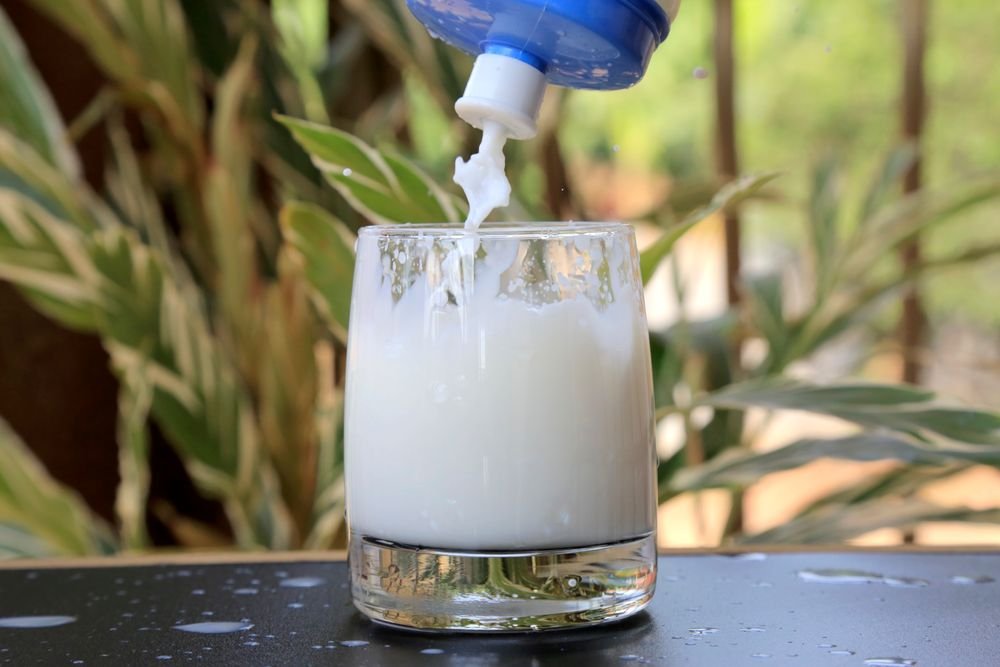
If you’ve been walking past empty shelves where Fairlife milk used to sit, you’re not imagining things. Shoppers across the country have noticed the product getting harder to find, and naturally, questions are starting to pile up. Is there a recall? Did the company discontinue something? Is this a regional problem or a national one?
The short answer is that no recall is involved, and nothing has been permanently discontinued. The longer answer involves a real supply problem that Fairlife and its parent company, Coca-Cola, are actively working to fix. This article breaks down what’s actually happening, which products are most affected, and what you can do while the situation sorts itself out.
There Is No Recall — The Problem Is a Capacity Gap
The most important thing to clear up first: this shortage has nothing to do with a safety issue, contamination, or product recall. There is no health risk driving products off shelves.
What is happening is a straightforward supply-and-demand problem. Fairlife has become one of the more popular premium dairy brands on the market, and demand for its products has grown faster than the company can produce them. Food Business News reported this directly, describing the situation as a “capacity crunch” — Coca-Cola has acknowledged that near-term growth for the Fairlife brand is constrained by limited production capacity.
Think of it like a bakery with a single oven. If that oven can only produce a set number of loaves per day, the most popular variety sells out first. It doesn’t mean there’s a problem with the bread — there just isn’t enough of it yet.
Not Every Store Is Affected the Same Way
One reason this shortage has been confusing for a lot of shoppers is that the experience varies so much from place to place. One person finds empty shelves at their usual store. Someone else in the same city has no problem picking up Fairlife at all. Both accounts can be accurate at the same time.
Out-of-stock reports are not consistent across the country. How much inventory a specific store has depends on a few things: how the local distribution network operates, how the individual retailer manages its orders, and how quickly product is moving off that particular shelf.
A Walmart in one part of town might show empty coolers while a nearby Kroger or Walgreens still has stock. That gap doesn’t always reflect a sweeping national shortage — it often reflects normal inventory variation between retailers.
It’s also worth noting that not every empty Fairlife shelf is caused by the brand’s supply issues. A Facebook discussion from a local community group pointed out one case where a Walmart’s refrigeration unit had failed, which left the Fairlife section empty. That’s a store maintenance problem, not a supply chain one. Before assuming the product is unavailable everywhere, it’s worth checking a few different retailers.
Which Fairlife Products Are Most Difficult to Find
When supply gets tight, the highest-demand products go first. That pattern is playing out here as well.
Based on consumer reports across social platforms and discussion forums, the most commonly cited hard-to-find items are Fairlife whole milk, high-protein milk, and certain fat-content varieties. These tend to be the products people buy most often, so they move quickly when a store does receive stock.
If you can’t find a specific variety at one store, it’s worth looking for a different Fairlife product on the same shelf. A retailer that is out of whole milk may still have a protein shake or a different fat-content option available, depending on what they’ve prioritized in their inventory.
There are also unverified consumer reports suggesting that some specific product versions — referred to as SKUs — may have been temporarily pulled or reduced to allow production to focus on higher-demand items. One Reddit thread cited a company representative as saying two SKUs were paused for this reason. However, this claim has not been independently confirmed, so it should be treated as an unverified consumer account rather than official company policy.
A New Production Facility Is Part of the Long-Term Solution
Fairlife and Coca-Cola aren’t ignoring the problem. The most concrete step they’ve taken toward fixing it is the construction of a large new manufacturing facility in Webster, New York.
According to Food Business News, this plant is specifically intended to expand Fairlife’s production capacity. The facility was reported to be on track for operational timing in late 2025, though the company has not issued firm public guarantees on that timeline. As with any large construction project, actual timing could shift.
Until that facility is up and running, supply is expected to remain tight relative to demand. This isn’t a short-term patch — it’s a significant infrastructure investment that signals the company sees Fairlife as a long-term growth brand worth building around. The shortage is an inconvenience for consumers, but from a business standpoint, it reflects strong demand rather than a brand in trouble.
What Shoppers Can Do While Fairlife Is Hard to Find
Waiting on supply to improve is one option, but there are also practical steps worth taking if you depend on Fairlife regularly.
Check Multiple Stores
As covered above, availability varies by retailer. If your usual store is out, try a different chain or a nearby location of the same chain. Pharmacies like Walgreens or CVS, warehouse stores, and smaller grocery chains sometimes carry stock that larger supermarkets have run through.
Try Different Fairlife Varieties
If whole milk is sold out, check whether a lower-fat or higher-fat version is available. The supply gap isn’t hitting every product equally. Being flexible on variety can make a difference in the short term.
Consider Comparable Alternatives
Fairlife’s appeal comes from its ultra-filtered process, which gives it higher protein content and makes it lactose-free. Several other brands offer similar features. Lactose-free milk from brands like Lactaid is widely available. Some store-brand filtered milks have started appearing at major retailers as well. If you’re primarily buying Fairlife for the protein content, some shoppers have also shifted to protein shakes or Greek yogurt to fill that nutritional gap temporarily.
Use Store Pickup or Delivery Apps
Retail apps and grocery delivery platforms often show real-time inventory. Checking availability online before making a trip can save time and frustration. Some apps even allow you to set alerts when a specific product is back in stock at a nearby store.
Don’t Rely on Social Media for Timelines
A fair amount of misinformation is circulating on platforms like TikTok and Facebook about the Fairlife shortage — including claims that it’s permanent, that it’s due to a recall, or that specific dates have been confirmed for restocking. None of those claims are verified. For actual updates, Fairlife’s official channels and credible food industry news sources are more reliable than comment sections.
The Bottom Line
The Fairlife shortage is real, but it’s not the result of a recall, a safety concern, or a brand being discontinued. It comes down to a gap between how fast the brand has grown and how much it can currently produce. Coca-Cola has acknowledged the constraint, and the new Webster, New York facility represents the most significant step toward resolving it over time.
In the meantime, availability will remain uneven across regions and retailers. Some stores will have stock. Others won’t. Checking multiple locations, staying flexible on which Fairlife product you buy, and exploring comparable alternatives are the most practical ways to navigate the gap.
For more business and consumer news coverage, visit TheBizOutline.
The situation is temporary, even if the timeline isn’t perfectly predictable. Once additional production capacity comes online, the shelf availability issues should ease considerably.
Read Also: