
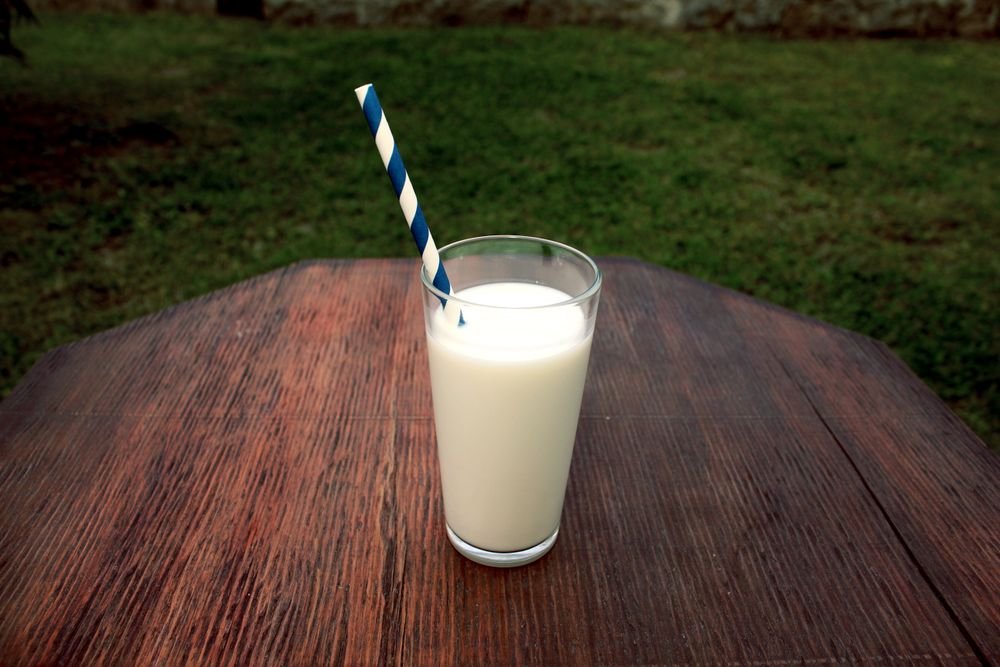
You reach for your usual half-gallon of organic milk, and the shelf is empty. Conventional milk sits fully stocked one shelf over. This happens again the following week, and the week after that. It is not just your store, and it is not a coincidence.
Organic milk shortages are real, recurring, and increasingly difficult to explain away as a minor inventory glitch. This article breaks down why organic milk supply is more fragile than conventional, what economic and climate pressures are making things worse right now, and what consumers and policymakers can realistically expect in the months ahead.
This Is Not a New Problem — But It Is Getting Worse
Organic milk has gone out of stock at major national retailers before. Supermarket News has reported shortages at chains including Target, Wegmans, and Publix, driven by rising organic feed costs and strong consumer demand. These gaps are not random. They follow a pattern that has repeated itself every time input costs spike or supply tightens.
The organic dairy supply chain is significantly smaller than the conventional one. Fewer farms, fewer processors, and less distribution redundancy mean that any disruption moves quickly from the farm to the store shelf. A problem that conventional dairy might absorb without much visible impact can leave organic sections empty for weeks.
There is an important distinction to make here. Some shortages are localized and temporary — a regional distributor issue or a single supplier running short. But there is also a deeper, structural tightness that is becoming more common. Both are real. The second one is the more serious concern.
Demand for Organic Milk Has Grown Faster Than Supply Can Keep Up
Consumer interest in organic milk has grown steadily and shows no real sign of slowing. The US organic milk market was valued at approximately USD 9.1 billion in 2025, according to Future Market Insights, and is projected to reach USD 12.46 billion by 2036, growing at roughly 2.9% annually.
Whole organic milk currently dominates the category, holding around 75% of market share in 2026. This reflects a broader consumer shift back toward full-fat dairy and so-called “clean label” products — items with fewer additives and more transparent sourcing.
The drivers behind organic milk demand are fairly durable: health perceptions, environmental concerns, and the sense that organic dairy represents a higher standard of production. These motivations do not disappear during economic uncertainty. If anything, premium product buyers tend to stay loyal to their choices even when budgets tighten.
The problem is straightforward. When demand grows steadily year over year but farm capacity is shrinking, even a modest dip in production creates visible shelf gaps. The math does not leave much room for error.
Why Organic Dairy Farms Are Especially Vulnerable to Supply Shocks
Organic certification comes with strict requirements. Farmers must use organic feed, provide access to pasture, and avoid synthetic inputs and most medications. These standards are what consumers are paying for. But they also limit how farmers can respond when conditions get difficult.
The 2025 Northeast drought created what organic industry leaders described as catastrophic feed shortages for organic and grass-fed dairy farms. A coalition of organic farming and certification organizations issued urgent calls for emergency per-hundredweight market adjustment payments from milk buyers, warning of irreversible damage to the supply chain if relief was not provided promptly.
Here is why droughts hit organic farms harder than conventional ones. Think of a runner who is required to eat only a specific type of food to maintain their certification. When that food becomes scarce, they face a much harder situation than someone allowed to eat anything available. Organic farmers cannot simply substitute cheaper conventional feed during a drought without losing their certification — and everything that goes with it.
Faced with that kind of financial pressure, organic producers often have limited options. They may reduce herd sizes to lower feed costs. Some choose to exit dairy entirely rather than operate at a loss. Both outcomes reduce the volume of organic milk entering the market, and neither recovers quickly.
Farm Closures Are Shrinking the Organic Dairy Base
The loss of organic and conventional dairy farms over the past decade is not a minor footnote. It is central to understanding why shortages are becoming more frequent.
Vermont serves as a clear regional example. The state’s organic dairy farm count fell from more than 200 in 2016 to 123 by the third quarter of 2023, according to Farm Progress reporting. That is a significant reduction in regional capacity in less than a decade.
The broader national picture is similarly stark. Across all US dairy, approximately 40% of operations closed between 2017 and 2022, reducing the total from around 39,303 to roughly 24,082 farms, according to USDA Census data cited by the National Family Farm Coalition. Fewer farms means less regional processing and distribution capacity, which makes specific areas more vulnerable to shortages even when national aggregate milk production still looks healthy on paper.
This is worth pausing on. It is possible to have high overall milk production in the United States while also having structural fragility in the organic segment. The farms leaving the market are disproportionately smaller, independent operations — exactly the type that tend to hold organic certifications.
The Price Paradox That Makes This Harder to Fix
There is a confusing dynamic at play in the dairy market right now. The USDA projected a modest decrease in retail dairy prices for 2026, roughly 0.9%, while the overall all-milk price forecast sits around $21.25 per hundredweight. On the surface, that sounds like good news for shoppers.
But for organic farmers, the numbers look very different. NODPA data from January 2026 shows organic and grass-fed milk pay prices in the Northeast ranging from around $38 per hundredweight without grass-fed certification to over $52 per hundredweight for certified grass-fed producers. These premiums exist because organic production costs are genuinely higher — but they are still not always enough to cover those costs, especially after drought-driven feed price spikes.
Think of it like a small independent restaurant. Ingredient costs rise sharply, but menu prices are constrained by what customers will pay or what buyers will offer under existing contracts. Without relief, the restaurant reduces hours, cuts staff, or closes. Organic dairy farms face a similar squeeze, and the downstream effect is fewer farms producing less milk.
The irony is that falling retail dairy prices, while welcome for consumers in the short term, can signal deeper distress at the farm level — distress that later shows up as empty organic milk shelves.
What Policymakers Are Doing — and What Is Still Missing
There has been some movement on the policy side. In 2026, the proposed Milk from Family Dairies Act was introduced with the goal of setting price floors, managing supply, scaling down large consolidated operations, and investing in regional dairy infrastructure. The National Family Farm Coalition framed it as a landmark effort to stabilize a sector that has been losing ground for years.
Separately, organic farming organizations have pushed for targeted market adjustment payments that reflect the specific drought conditions affecting individual farms rather than applying blunt regional premiums. The argument is that relief needs to be precise enough to actually prevent farm closures, not just symbolic.
Whether these measures move forward, and how quickly, remains uncertain. Policy timelines rarely match the urgency of farm-level crises. In the meantime, farms continue to make decisions based on current economic reality, not future legislative possibilities.
For readers who follow broader business and economic trends, coverage on platforms like TheBizOutline tracks how supply chain disruptions in sectors like food and agriculture connect to larger market dynamics.
What Consumers Can Realistically Expect
If you rely on organic milk, it is reasonable to expect continued episodes of limited availability, particularly in the Northeast and in regions that depend on a small number of local organic suppliers. You may find fewer fat-percentage options, fewer store brands, or only a single national brand where there used to be several choices.
Practical steps include checking local organic dairies that sell direct, looking at organic dairy alternatives like yogurt or kefir when milk shelves are bare, or considering products from smaller farms with verifiable welfare and feed standards, even if they lack full organic certification.
It is also worth understanding what the premium price on organic milk actually supports. When the supply chain is under pressure, that margin is what keeps certified farms operating. Consistent demand from consumers who stick with organic — rather than switching to conventional at the first sign of a shortage — does have a stabilizing effect on smaller producers.
The Outlook: A Fragile Supply Chain Under Continued Pressure
The conditions driving organic milk shortages are not going away quickly. Feed cost pressures from drought and other climate factors tend to affect dairy production on a delay — what hits farms in 2025 shows up in reduced milk volumes in 2026 and potentially into 2027.
Demand for organic milk is projected to keep growing through 2036, which means the pressure on an already-shrinking farm base will only increase. If small and mid-size organic farms continue to exit the market, supply could become more concentrated among a handful of large producers — a structure that tends to be more efficient but also less resilient to regional disruptions.
The clearest takeaway is this: organic milk shortages are not a temporary anomaly caused by one bad season or one supply chain hiccup. They reflect years of accumulated farm attrition, persistent cost pressures, and a regulatory environment that protects product quality but limits farmer flexibility when conditions get difficult. Understanding that context is the first step toward having a realistic conversation about what it will take to stabilize supply.
Read Also: