

If you’ve walked into a grocery store recently and found the basil shelf completely empty, you’re not alone. Shoppers across the U.S. and parts of Europe have been posting online asking the same question: is there a basil shortage right now?
The short answer is — it depends on where you are. The longer answer is more useful, and that’s what this article covers.
No Global Shortage, But Real Local Gaps
Let’s be clear about one thing first. As of 2026, industry sources confirm there is no widespread global basil shortage. Overall production has remained broadly stable, and the herb hasn’t disappeared from the global food supply.
So why are so many shoppers reporting empty shelves? The disconnect is between global supply and local retail availability. These are two very different things, and confusing them is what’s driving most of the online panic.
On Reddit, a Bay Area shopper reported that their local Safeway had been out of basil for weeks. On Threads, another user wrote that they couldn’t “find any to save my life.” Facebook groups show similar questions from people who can’t find Thai or regular basil at nearby markets. These are real experiences — but they reflect regional disruptions, not a global supply collapse.
Think of it like avocados or lettuce. Every few years, a bad regional season creates short-term retail gaps and higher prices. Locally, it feels like a crisis. Nationally or globally, production continues as normal.
Why Basil Supply Is Fragile by Nature
Basil is not a forgiving crop. It has a short shelf life, which means any small disruption in the supply chain — a delayed truck, a storm, a logistics bottleneck — can quickly result in empty store shelves.
The herb also needs specific growing conditions. It requires warm temperatures and the right humidity. Cold snaps or frost can damage or destroy crops quickly. That makes it far more vulnerable to weather events than hardier staple crops.
In the U.S., fresh basil production is concentrated in a handful of warm states: California, Florida, and Arizona. Hawaii is also a meaningful contributor to domestic supply. In Europe, markets have historically relied heavily on basil exports from Israel. When any one of these regions runs into trouble, the ripple effect hits store shelves fast.
Add to that the reality of weekend demand spikes. Basil is a popular ingredient for home cooking, and grocery stores often sell through their stock faster than they can restock a perishable item with a limited supply buffer.
Weather Events and Crop Disease Behind Recent Disruptions
So what’s actually caused the current wave of empty shelves? A few specific factors have come together at once.
In 2026, record flooding in Hawaii dealt a notable blow to U.S. basil supply. Industry sources described the impact plainly: supply has “taken a big hit.” Hawaii is a meaningful source of fresh basil for the U.S. market, so weather damage there moves quickly through the supply chain.
Extreme weather events in general — storms, flooding, and cold snaps — can wipe out regional basil crops quickly. Because the herb is so climate-sensitive, there’s little margin for error.
Europe offers a useful historical example. When heavy storms hit Israel alongside an outbreak of crop disease, basil exports dropped significantly. Wholesalers warned at the time that the disruption would “last a while.” That situation illustrates a broader risk: when a region depends on one major supplier, a local weather event can become a multi-country supply problem almost overnight.
Crop disease is also a recurring pressure point. Basil downy mildew, in particular, has contributed to past shortages by devastating fields in key production areas. It spreads quickly and can reduce export volumes with little warning.
Importantly, no single factor is ever fully responsible. What creates a visible retail shortage is usually a combination of weather damage, disease pressure, logistics stress, and concentrated regional production — all hitting at the same time.
Rising Demand Is Adding Pressure to an Already Tight Supply
There’s a demand side to this story that often gets overlooked. Trade reporting indicates that demand for fresh herbs, including basil, jumped in 2026. Health-conscious eating habits and the continued growth of home cooking are both contributing factors.
When demand increases faster than growers can respond — through additional planting cycles or expanded greenhouse capacity — retailers face periodic out-of-stock situations even when overall supply hasn’t dramatically declined. It’s not just a production problem. It’s a timing problem.
Food businesses are feeling this too. Some restaurants and meal-prep services that rely heavily on basil have had to adjust their menus or communicate directly with customers about ingredient availability. One small food business noted that a basil shortage was affecting their booking and planning — a practical example of how supply gaps move beyond the grocery store and into commercial kitchens.
How Growers and the Industry Are Responding
The basil supply chain isn’t sitting still. Growers are expanding greenhouse and controlled-environment production in response to both climate pressure and rising demand. This helps stabilize winter supply in regions that would otherwise depend entirely on outdoor crops or imports.
On the crop science side, new disease-resistant varieties are being developed. In 2026, a basil variety called Treviso won an All-America Selections award, partly for its resistance to downy mildew — the disease that has contributed to past shortages. Wider adoption of varieties like this could reduce one of the more unpredictable risks in basil production.
Some farms have also had to make short-term decisions that create temporary local scarcity. In one case, a farm moved all new crops into the greenhouse and cut existing basil plants in the process, causing a brief shortage for local customers. These farm-level decisions don’t make headlines, but they show up as empty shelves at local markets.
What Consumers Can Do Right Now
If fresh basil is hard to find at your usual store, there are practical alternatives worth considering.
- Try a different retailer. Specialty grocery stores, farmers’ markets, and Asian supermarkets often stock basil independently of major chain supply chains and may have inventory when larger stores don’t.
- Use basil paste or frozen basil. Both are shelf-stable options that work well in cooked dishes, sauces, and pesto. They won’t replace fresh basil for garnishing, but they hold up well in cooking.
- Consider substitute herbs. For Italian recipes, flat-leaf parsley or a small amount of fresh mint can work in a pinch. For Thai dishes, Thai basil and holy basil are distinct varieties — if one is unavailable, check if the other is in stock.
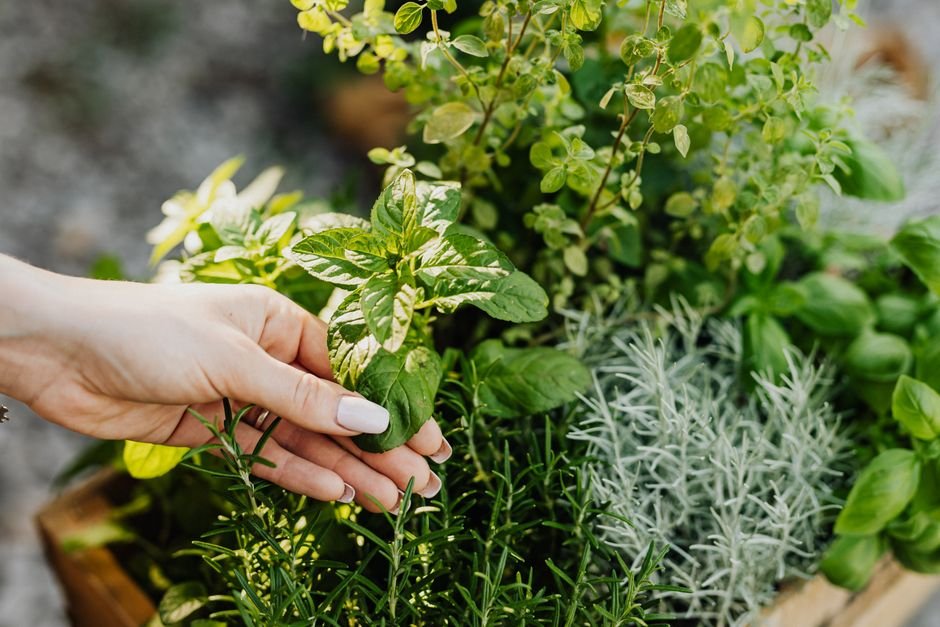
- Grow your own. Basil grows well in pots on a sunny windowsill or balcony. It doesn’t require much space, and a small pot can provide a consistent supply for home use without depending on retail availability. Several shoppers who noticed empty shelves have already moved in this direction.
For food businesses and restaurants, diversifying herb suppliers and building relationships with local growers can reduce exposure to the kind of concentrated supply disruptions that come from depending on one region or one distributor.
The Bigger Picture
The basil situation in 2026 is a useful reminder of how fragile specialty crop supply chains can be. A combination of extreme weather, crop disease, rising consumer demand, and concentrated regional production doesn’t need to be catastrophic to cause real retail disruption. It just needs to arrive at the same time.
For anyone tracking trends in food supply and business resilience, this story is worth watching. Coverage and analysis of supply chain dynamics like these are available through resources like TheBizOutline, which tracks business and economic developments across industries.
The takeaway here is straightforward. There is no global basil crisis. But the conditions that create local shortages — climate sensitivity, concentrated production, short shelf life, and demand growth — are real and ongoing. Understanding them helps explain what’s happening on the shelves and what to expect going forward.
If your store is out of basil today, it probably won’t be for long. But it may happen again, and now you know why.
Read Also: