

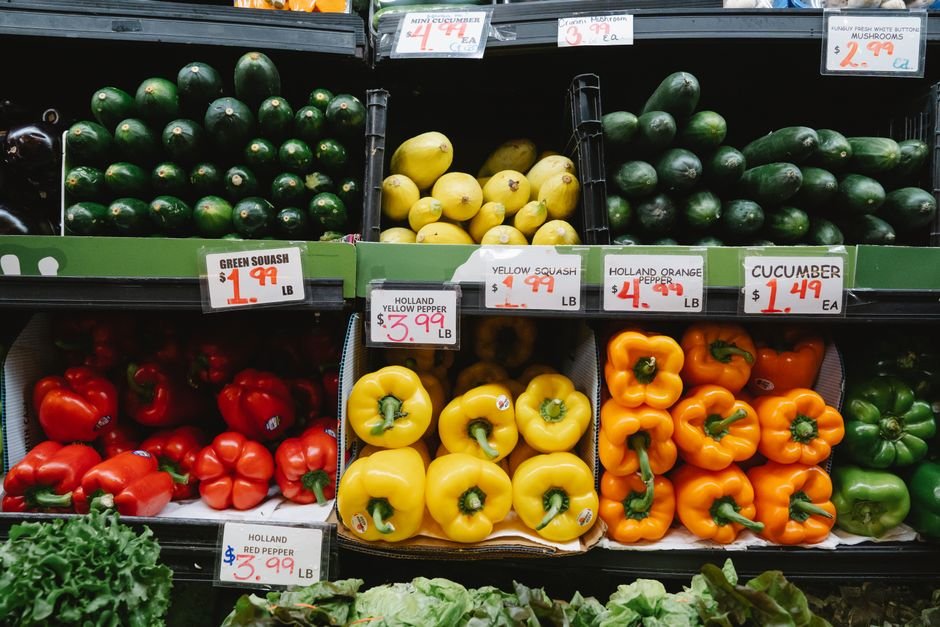
Shoppers across the UK and parts of the US are finding broccoli harder to come by—and more expensive when they do. This is not a coincidence or a one-off supply hiccup.
A combination of extreme weather events, concentrated growing regions, and seasonal supply gaps has created real pressure on broccoli availability. Wholesale buyers are already feeling it. Retail shoppers are starting to notice.
This article explains what is actually happening, why it keeps happening, and what practical options are available for consumers and businesses in the short term.
What a Broccoli Shortage Actually Looks Like in Practice
A broccoli shortage rarely means empty shelves across the board. In supply-chain terms, it usually means that demand has outpaced supply—and the gap shows up in several ways: partial order fulfillment, lower product quality, and rising prices.
Wholesale buyers and food-service operators feel this first. Industry reports from Produce Alliance in February 2026 classified broccoli florets and crowns as “Extreme” and broccolini as “Escalated.” These labels signal that normal buying expectations cannot be met, and that prorates—meaning suppliers can only fulfill a portion of each order—are expected.
For a restaurant, this is an immediate operational problem. A kitchen that relies on broccoli as a standard side dish may receive a notice that it is on “extreme trigger” status alongside cauliflower and lettuce. The chef then has to reduce portion sizes, swap in green beans or carrots, or pull the dish from the menu entirely.
Retail shoppers usually notice the effects a little later. The signs are familiar: fewer product options on the shelf, higher prices per head or bag, or stock that sells out earlier in the day. Seashore Fruit and Produce Co. noted in a recent market report that broccoli supplies are “slightly tighter” and that markets are “expected to firm”—industry language for rising prices in the near term.
The Weather Events Behind the Current Supply Gaps
It would be easy to blame “bad weather” and leave it there. But the reality involves several specific events, often overlapping, that have disrupted broccoli production across key growing regions.
Spain’s Murcia Region
Spain’s Murcia region is one of the most important sources of winter broccoli for the UK and northern Europe. Between late 2025 and early 2026, the area experienced heavy, persistent rainfall that made planting extremely difficult. According to FreshPlaza reporting, this is expected to cause a sharp drop in broccoli and cauliflower supply roughly from weeks 12 to 14 of 2026—a disruption lasting approximately three weeks.
The knock-on effect is straightforward: when planting is delayed or prevented, there is simply less product available weeks later when buyers come to place orders.
The 2025 Valencia Floods
The previous year brought a different but related crisis. Floods in Spain’s Valencia region in 2025 disrupted the winter supply of Spanish brassicas entering the UK and EU at a time when domestic crops were already under stress. Euronews reported that UK shoppers faced difficulty finding broccoli and cauliflower due to the combined effects of the floods and unusual seasonal weather at home.
Warm UK Winters and Pest Damage
Meanwhile, unusually mild UK autumns and winters caused home-grown brassicas to flower earlier than expected, reducing the usable harvest. Slug damage added further losses. Both problems are linked to shifting seasonal patterns rather than one-off events.
This matters because the UK already faces a seasonal window—roughly April through June—known as the “hungry gap.” During this period, domestic crops are naturally scarce and imports carry the bulk of supply. When import disruptions and poor domestic harvests overlap with the hungry gap, shortages become harder to avoid.
No single event is responsible. The current situation reflects floods, warm winters, pest damage, and transition periods between growing regions all compounding each other at the same time.
How Concentrated Supply Chains Amplify the Problem
One reason a regional weather event in Spain can affect shelves across northern Europe is that supply chains for broccoli are heavily concentrated in a small number of growing areas.
In the US, California produces the majority of broccoli consumed nationally. When California faces drought or prolonged heat, there is limited backup capacity elsewhere. The same logic applies in Europe, where the UK and northern European markets rely significantly on Spanish regions—particularly Murcia and Valencia—for winter supply.
This concentration means that one sustained weather disruption in a key region creates shortages across multiple countries almost simultaneously.
Research from Cornell University points to a practical path forward in the US context. A supply-chain model developed by Cornell researchers found that expanding East Coast broccoli production could reduce total supply-chain costs and lower transport distances in eastern US markets by around 20% during periods of severe California drought. The research suggests that adding production in more regions reduces—though does not eliminate—vulnerability to drought in any single area.
The broader lesson applies beyond the US. A supply chain that draws from multiple growing regions in different climate zones is more resilient than one that depends heavily on a single source.
The Economic Impact on Prices, Menus, and Consumers
When supply tightens, wholesale prices rise. Retailers pass those costs along to consumers. Restaurants face a different but related pressure: menu consistency.
For UK shoppers, the impact of the 2025 shortages was visible at the retail level. Reports noted that purple sprouting broccoli—a specialty variety—was particularly hard hit by severe winter weather that decimated crops. The National Farmers Union warned that some crops were completely devastated, and that consumers would likely struggle to find the product and face rising costs. Seed supplier Thompson & Morgan went as far as suggesting that growing your own might be the only reliable way to access purple sprouting broccoli in that period.
It is worth noting that this advice applied specifically to purple sprouting broccoli during a particularly bad season—not to all broccoli varieties everywhere. Standard broccoli remained available, though at tighter supply and higher prices.
For food-service businesses, the cost impact is both financial and operational. Prorates force buyers to either find alternative suppliers at higher cost or reduce the quantity used. Either option affects margins. Menu substitutions can frustrate repeat customers who expect consistency.
Frozen Broccoli and Other Practical Options
One option that has received more attention during recent shortages is frozen broccoli. Analysis published in 2026 described frozen broccoli as increasingly important—not just as a commodity, but as a practical hedge against weather-induced disruptions to fresh supply.
For consumers, the case is straightforward. Frozen broccoli is generally available even when fresh supplies are tight, it holds comparable nutritional value to fresh, and its price tends to be more stable because it is less directly tied to a single harvest cycle. Think of it as a backup that does not replace fresh produce entirely but provides a reliable option when availability or price makes fresh broccoli impractical.
For restaurant operators and caterers, frozen broccoli offers consistency in portion sizing and reduces menu risk during periods of fresh supply volatility.
Beyond frozen options, practical substitutes during shortages include:
- Green beans – widely available and easy to prepare in similar applications
- Cabbage and kale – often more stable in supply during brassica shortages
- Carrots and peas – versatile, typically less affected by the same weather events
- Cauliflower – though note that cauliflower is often affected by the same supply pressures as broccoli
For gardeners and smallholders, growing your own brassicas offers a degree of independence from commercial supply chains. The challenge is that home growers face many of the same weather conditions—slugs, early flowering from warm winters—that affect commercial crops.
How Long Will This Last, and What Comes Next?
The short-term outlook for early 2026 points to a specific gap of roughly three weeks tied to the Murcia planting disruption, expected around weeks 12 to 14. After that window, supply should begin to normalize as growing transitions to other regions and domestic crops begin coming through.
However, the broader pattern is worth taking seriously. The combination of climate-related disruptions—heavier rainfall, warmer winters, more frequent flooding—alongside concentrated supply chains suggests that one-off shortages may become more common rather than less.
Industry and research responses are moving in a productive direction. The Cornell University work on East Coast broccoli diversification is one example. The growing role of frozen supply chains is another. These developments will not eliminate shortages, but they do offer a more resilient foundation for the future.
For general business and consumer news coverage of supply trends, TheBizOutline provides ongoing analysis of how market disruptions affect everyday products and industries.
The Bottom Line
The current broccoli shortage is real, but it is not a collapse. It reflects a combination of specific weather events in key growing regions, seasonal timing gaps, and supply chains that are too dependent on a small number of areas.
Shoppers can expect higher prices and occasional limited availability, particularly in the UK during spring 2026. Restaurants and food-service businesses face more immediate pressure and may need to adjust menus or sourcing strategies for a period of several weeks.
The longer-term answer lies in supply-chain diversification and better planning for weather variability—neither of which is a quick fix, but both of which are being actively pursued by researchers and industry participants. In the meantime, frozen broccoli, flexible menus, and awareness of seasonal patterns are the most practical tools available.
Read Also: