

If you’ve walked into a grocery store recently and found the buttermilk shelf completely empty, you’re not imagining things. Shoppers across multiple regions are reporting the same experience — checking two, three, or four stores and coming up short. But before assuming the worst, it’s worth understanding what’s actually going on.
This article covers whether a true nationwide shortage exists, why buttermilk disappears from shelves faster than regular milk, what current dairy market data shows, and what you can do when you can’t find it.
Is There Actually a Buttermilk Shortage?
The short answer is: it depends on where you live, and the situation is more nuanced than a simple “yes” or “no.”
Reports of empty buttermilk shelves are real. Threads on Reddit, Facebook groups, and forums like RugerForum all describe shoppers checking multiple stores in their area and finding nothing. These accounts come from different states and regions, which suggests the problem is more widespread than a single store having an off week.
That said, there is no confirmed nationwide buttermilk shortage. No federal declaration has been made, no recall has been issued, and there is no documented safety concern driving product off shelves. What the evidence does support is spotty, regional stockouts — meaning availability is inconsistent across stores and areas, not that buttermilk has disappeared from the food supply entirely.
Treat consumer reports as a useful signal, not a definitive conclusion. The experience is real for many shoppers, but it does not mean the entire food system is failing.
Why Buttermilk Is More Vulnerable to Shelf Gaps Than Regular Milk
To understand why buttermilk vanishes while the rest of the dairy aisle looks normal, you need to know what buttermilk actually is — and how it’s made and sold.
Buttermilk is a niche dairy product. It comes in several distinct forms: traditional cultured buttermilk, dried or powdered buttermilk, and specialty versions like Bulgarian-style buttermilk. These are not interchangeable at the production level. Each requires its own processing, packaging, and distribution setup.
Because fewer facilities handle buttermilk compared to regular fluid milk, even a minor disruption — a packaging issue, a shipping delay, a shift in production priorities — can cause noticeable gaps at the store level across an entire region. The overall milk supply might be perfectly fine, but one specific product in one specific format can still go missing.
Think of it like eggs or flour during a demand spike. At the height of pandemic-era baking, flour didn’t disappear from farms or mills — it disappeared from grocery shelves because retail supply chains couldn’t keep pace with sudden consumer demand. Buttermilk operates the same way. It’s a specialty aisle item with a narrower distribution footprint, which makes it more sensitive to disruptions that wouldn’t affect regular milk at all.
What the Dairy Market Data Actually Shows in 2026
One thing the data makes clear: raw milk supply is not the problem.
According to dairy market reporting from McCully, Tüll, Dairies, U.S. milk production was up 2.8% in 2025 and is running approximately 2.9% ahead year-over-year in 2026. There is no shortage of milk at the farm or processor level. If buttermilk is hard to find at your local store, it is not because cows stopped producing.
The more interesting data point is what’s happening with nonfat dry milk (NFDM) prices. As of the end of April 2026, NFDM hit a record high of $2.26 per pound — an unusual figure given that milk supply appears adequate. Analysts have noted this rally is not the typical result of a supply crunch, but rather reflects demand-side and export-related pressures in the dairy powder market.
Why does that matter for buttermilk? Because dry buttermilk is part of the same dairy powder market. When pricing pressure shifts across that category, processors make allocation decisions — and those decisions can affect how much dried buttermilk reaches retail channels, even when the underlying milk supply is healthy.
Broader 2026 dairy market commentary also points to protein demand and export activity as factors reshaping ingredient availability. The dairy market is not in crisis, but it is experiencing unusual pricing dynamics that can create friction at the retail level for niche products like buttermilk.
Likely Causes Behind the Empty Shelves
Putting the available evidence together, several factors are likely contributing to the gaps shoppers are seeing.
Distribution and Logistics Gaps
Because buttermilk is produced at fewer facilities than regular milk, a single disruption can ripple across multiple stores in the same region simultaneously. If one distributor serving a regional grocery network is behind, many stores go empty at the same time — which is why shoppers report checking several locations and finding nothing.
Seasonal Baking Demand
Buttermilk is a baking ingredient. Periods of high home cooking activity — holidays, extended cold weather, or events that keep people indoors — can temporarily push demand beyond what retail stock is set up to handle. Unlike regular milk, which has deep retail inventory, buttermilk doesn’t have much buffer when demand spikes unexpectedly.
Powder Market Allocation
With NFDM prices at record highs, processors face decisions about where to direct their powder production capacity. When one dairy powder category becomes more profitable or is under stronger demand, it can pull resources away from related products, including dried buttermilk. This doesn’t mean production stops — but it can mean less product reaches grocery shelves in some periods.
None of these explanations point to a systemic food supply failure. They point to a niche product with a narrow distribution network running into a combination of demand, logistics, and market pricing pressures at the same time.
What You Can Do When Buttermilk Is Unavailable
If you need buttermilk for a recipe and can’t find it, you have several practical options.
The Milk-Plus-Acid Method
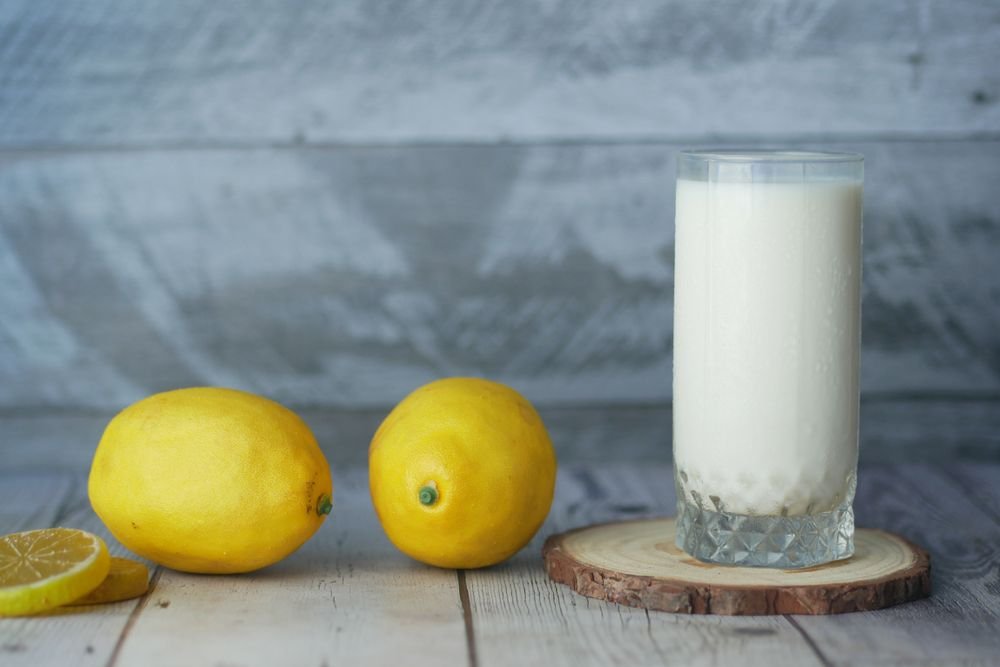
The most common substitute is simple: add one tablespoon of lemon juice or white vinegar to one cup of regular milk. Stir it and let it sit for about five minutes. The acid curdles the milk slightly and creates a functional substitute that works well in biscuits, pancakes, cornbread, and fried chicken batters.
This is not a perfect sensory match — the flavor and thickness will differ slightly — but it performs reliably in most baking applications where buttermilk provides lift and tenderness through its acidity.
Yogurt Thinned with Milk
Plain yogurt mixed with a small amount of regular milk is another option. Thin the yogurt until it reaches a pourable consistency similar to buttermilk. This works particularly well in recipes like muffins or quick breads where a slightly thicker liquid is acceptable.
Powdered Buttermilk
Powdered buttermilk is sold in many grocery stores, often in the baking aisle rather than the dairy section. It has a longer shelf life than fresh buttermilk, which makes it a practical option for people who bake occasionally and don’t want to buy a quart of fresh buttermilk that may spoil before their next use.
Powdered buttermilk is reconstituted with water before use, and while its flavor profile is not identical to fresh cultured buttermilk, it performs well in baked goods. If fresh buttermilk shelves are empty, it’s worth checking the baking aisle before leaving the store.
For more consumer and market insights across industries, TheBizOutline covers business and economic trends that affect everyday purchasing decisions.
The Bottom Line
Buttermilk is genuinely hard to find in certain areas right now. The consumer reports are credible, and the frustration is understandable. But the situation is best described as regional and spotty stockouts, not a confirmed nationwide shortage or a sign that the dairy supply chain is broken.
U.S. milk production is actually up. The more relevant factors are buttermilk’s narrow distribution network, unusual dairy powder pricing in 2026, and the way niche products respond to demand and logistics pressure faster than mainstream staples.
If you need buttermilk now, the milk-plus-acid substitute is reliable, powdered buttermilk is widely available, and thinned yogurt works in most baked recipes. If the shelves are empty this week, there’s a reasonable chance availability will normalize as distribution catches up — this is likely a temporary gap, not a lasting disruption.
Read Also: