

Walk into many liquor stores today and you will find one of two things where Buffalo Trace should be: an empty shelf or a price tag that seems too high. For a bourbon that sits at an accessible price point and has earned a strong reputation, that experience is frustrating. But before drawing conclusions, it helps to understand what is actually driving the situation.
This article covers the real reasons behind the Buffalo Trace scarcity narrative, how aging constraints and distribution systems limit what reaches store shelves, why availability varies so much depending on where you live, and what the outlook looks like over the next several years.
There Is No Official Shortage — But Supply Is Genuinely Tight
To be clear: Buffalo Trace has not stopped production or declared any supply emergency. The distillery continues to operate and produce bourbon. The problem is not a manufacturing failure.
What is happening is that demand has consistently outpaced available stock. That gap, combined with an allocation-based distribution system, is what creates the experience many consumers describe as a shortage. The perception is real, even if the technical definition does not apply.
Interestingly, overall bourbon market sales have softened in recent years. Yet demand for Buffalo Trace has remained strong or even grown. That makes its scarcity feel more pronounced compared to other bourbons in the same category, many of which are now easier to find than they were a few years ago.
Why Buffalo Trace Cannot Simply Produce More Right Now
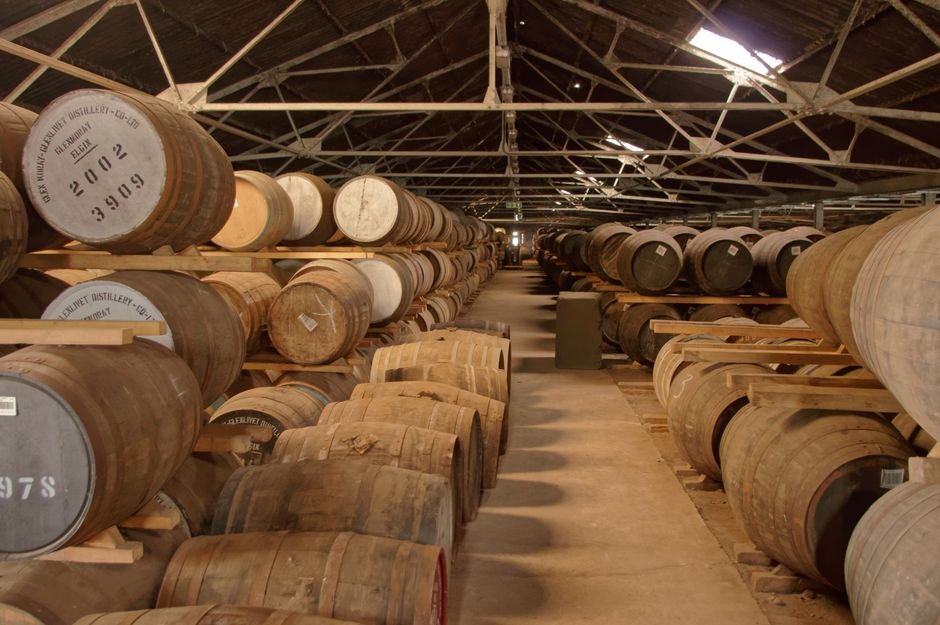
The most important structural constraint is time. Buffalo Trace bourbon carries no official age statement, but it is generally estimated to age somewhere in the range of six to eight years, with some sources citing as long as ten. That aging period cannot be shortened.
This means any production decision made today will not result in bottles on store shelves until well into the next decade. Think of it like planting trees: if you want mature oak in 2023, you needed to plant the saplings years earlier. The same logic applies here.
Buffalo Trace did recognize the demand trend and began a significant capacity expansion around 2015. A new still house came online in February 2023, which increases distillation capacity going forward. But because of the aging requirement, industry expectations point to meaningful supply relief around 2029 and beyond — not in the near term.
In short, the distillery is taking steps in the right direction. Those steps just take years to show up at retail.
How Allocation and Distribution Shape What Reaches Store Shelves
Even when the distillery produces bourbon, there is an entire distribution layer between the warehouse and your local store. Many consumers are not aware of how much influence this layer has over what they can actually buy.
Buffalo Trace products are allocated, meaning distributors receive a limited quantity for each market and then divide that stock among their retail accounts. Think of it like limited-release sneakers: a brand may produce a large total run, but each store receives only a small portion. That portion sells quickly, and the perception of scarcity takes hold even if total production is substantial.
In states with government-controlled liquor systems, the situation can be further complicated. State boards may determine where Buffalo Trace inventory goes — sometimes prioritizing bars and restaurants over retail stores, or setting per-store purchase limits. The result is that even a well-stocked regional warehouse does not guarantee that your local store will have bottles on the shelf.
There have also been reported tensions between the distillery and certain distributors in specific regions, which have contributed to inconsistent retail availability. These frictions are not widely publicized, but they are a real factor in the supply chain.
Why Availability Differs So Much Depending on Where You Live
One of the most common questions about Buffalo Trace is simple: why does one person find it easily while another cannot locate a single bottle? The answer is geography.
Regional variation in Buffalo Trace availability is significant and well-documented. Some states report no meaningful shortage and stable retail pricing. Oregon and Colorado, for example, have been cited as markets where consumers report relatively easy access. In other markets, consumers encounter lottery systems, per-customer purchase limits, or secondary market prices well above the standard retail range.
This variation comes down to how distributors allocate inventory across markets, how state regulatory structures function, and how strong local demand is relative to what comes in. A consumer who finds Buffalo Trace with no difficulty is not imagining things — but neither is the consumer who has not seen a bottle in months. Both experiences reflect the same underlying supply and distribution dynamic, just from different ends of the allocation spectrum.
The Secondary Market Makes the Scarcity Feel Worse Than It Is
Another layer worth understanding is how resellers affect the consumer experience. Collectors and flippers regularly purchase Buffalo Trace bottles at retail — sometimes in quantity — and then list them on secondary markets at significantly higher prices.
A bottle that retails for roughly $30 to $35 can appear on secondary platforms for $80 or more. When a casual buyer sees those prices or finds empty shelves right after a store receives its allocation, it reinforces the sense that bourbon is impossible to find. In many cases, the supply did arrive — it just moved quickly to resellers rather than to everyday drinkers.
There is some evidence that Buffalo Trace is aware of this dynamic. The distillery’s gift shop posts daily product availability and enforces purchase limits, and some commentary suggests the distillery has been increasing gift shop releases in part to push secondary market prices down. Whether that strategy is having a broad effect is still unclear, but it signals that the distillery is not indifferent to the reseller problem.
Signs That Supply May Be Gradually Catching Up
Despite the ongoing frustrations, there are some signals worth noting. A number of retailers and bourbon enthusiasts have begun reporting that certain Buffalo Trace products are becoming easier to find than they were during the peak scarcity period.
One retailer noted publicly that after roughly seven years of aging, Mash Bill #1 supply appears to be catching up with consumer demand — a reference to the mash bill used in the flagship Buffalo Trace bourbon. If that observation holds across more markets, it suggests the core product may gradually become more accessible in the near term, even before the full effects of the 2015 and 2023 expansions are felt.
Anecdotal reports from online bourbon communities are mixed, with some users reporting they now find Buffalo Trace “almost anywhere” locally, while others still see empty shelves. That variation is consistent with everything described above: it depends heavily on where you are and how your regional distribution channel functions.
For broader business context on supply chain dynamics and consumer market trends, TheBizOutline covers these kinds of structural stories across multiple industries.
What Consumers Can Reasonably Expect
Based on available information, here is a practical summary of where things stand:
- No production shutdown has occurred. Buffalo Trace is still being made and sold.
- Demand continues to outpace supply for the core product, even as the broader bourbon market softens.
- Expansion efforts are underway, but aging requirements mean significant shelf-level relief is still several years away, with 2029 often cited as a turning point.
- Where you live matters enormously. Some markets have stable access; others remain consistently undersupplied.
- There are early signs of easing for the flagship product in some regions, though conditions remain inconsistent nationally.
If you are having difficulty finding Buffalo Trace at retail price, it may be worth checking stores in nearby areas, asking local retailers about their allocation schedule, or exploring bourbons made from similar mash bills. Several well-regarded alternatives exist at comparable price points and are considerably easier to find.
The Bottom Line
The Buffalo Trace situation is best understood as a prolonged demand-supply imbalance — not a crisis, but not a comfortable situation either. The distillery is producing bourbon and expanding capacity, but the nature of aged spirits means that increased production takes years to translate into fuller store shelves.
In the meantime, consumers are navigating an allocation-driven distribution system, regional regulatory differences, and a secondary market that inflates prices and limits access. The combination of all those factors is why the shortage narrative persists, even though it is more nuanced than the word “shortage” typically implies.
Patience, geographic flexibility, and a willingness to consider alternatives are the most practical tools available to consumers for now. The supply picture should improve as the decade progresses — but that timeline is measured in years, not months.
Read Also: