

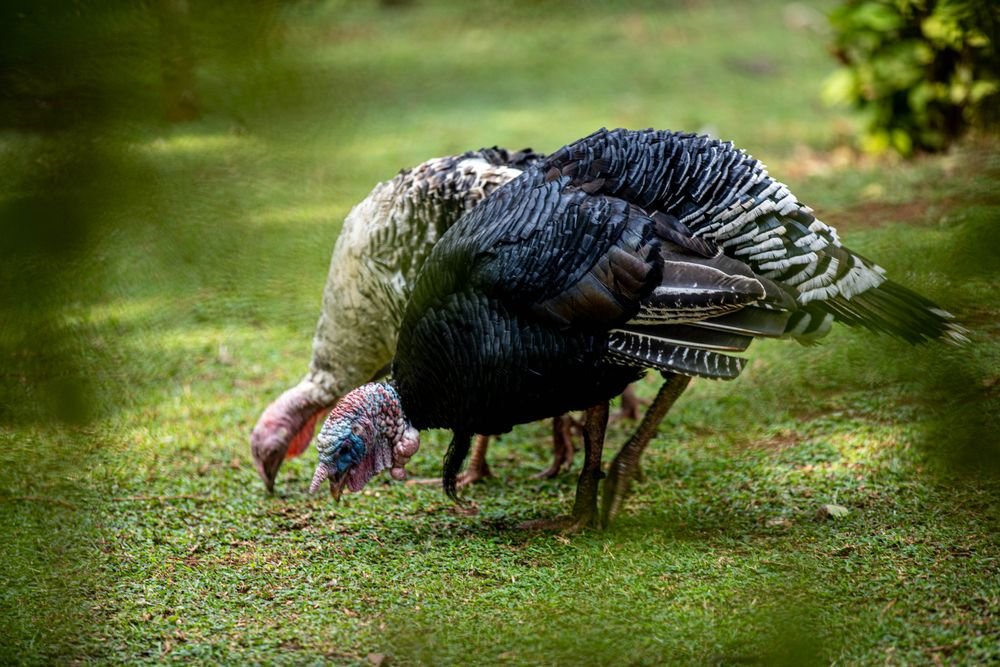
Consumers heading into the holiday season are finding fewer turkeys on store shelves — and paying noticeably more for the ones they do find. This is not simply a one-season disruption. A combination of disease outbreaks, long-term production declines, and persistent demand has created a turkey market that looks very different from what it did a decade ago.
This article explains what a turkey shortage actually means in practical terms, what is driving tighter supply, how prices have been affected, and what consumers and businesses can realistically expect going forward.
What a Turkey Shortage Actually Means
When news outlets report a “turkey shortage,” many readers picture empty freezer cases and no birds available anywhere. That is not an accurate picture. What is actually happening is a tighter supply — fewer choices, less variety, and significantly higher prices than in previous years.
The difference matters. A complete absence of product would be a crisis. A constrained supply with limited selection and elevated costs is a serious market condition, but a different one. Turkeys are still being raised, processed, and sold. The issue is that there are fewer of them relative to demand, and consumers are feeling that gap directly in their grocery bills.
It is also worth distinguishing between local shortages and national ones. A bird flu outbreak in one region may leave certain stores with very limited stock for weeks, while stores in other states remain reasonably stocked. Consumer frustration in affected areas is real and valid, even when the national picture looks more stable.
Bird Flu Is the Most Direct Cause of Reduced Turkey Supply
Highly Pathogenic Avian Influenza — commonly called HPAI or bird flu — has had a direct and measurable impact on turkey supply. When HPAI is detected in a flock, standard protocol requires that the entire flock be culled. Those birds do not enter the food supply. They are simply removed from it.
In one spring outbreak alone, more than 5 million turkeys were pulled from the market as a result of HPAI culls. That kind of single-event loss creates an immediate gap in supply that takes months to begin filling, since raising turkeys to market weight is not a quick process.
Major producers continue to deal with this risk. Jennie-O Turkey Store, one of the largest turkey brands in the United States, has confirmed HPAI detections within its supply chain. That signals that bird flu is not a past problem that has been resolved — it remains an active concern across the industry.
It is important to be clear on one point: commercially available turkey meat is safe to eat. Birds that test positive for HPAI are culled and do not reach store shelves. The shortage is a supply problem, not a food safety one.
U.S. Turkey Production Has Been Declining for Decades
Bird flu gets most of the headlines, but the shortage did not begin with recent outbreaks. Turkey production in the United States has been falling for a long time, and recent supply problems sit on top of a structural trend that predates HPAI by years.
According to USDA data, approximately 195 million turkeys were raised in the United States in 2025. That is down about 3% from 200 million in 2024. More significantly, it is roughly 16% lower than production levels from ten years ago — and about 35% below the all-time peak of 301 million turkeys in 1996.
That decline reflects more than disease. Shifting consumer habits, industry consolidation, and the economics of turkey farming have all contributed. Turkey is not consumed year-round the way chicken is. Producers have limited incentive to expand flocks when demand is heavily concentrated around two holidays and margins are uncertain.
Looking ahead, turkey production for 2026 is projected at approximately 4.98 billion pounds — still below historical norms. Industry analysts describe the market as flat to firm, meaning there is no expectation of a meaningful supply increase in the near term.
How Tight Supply Translates Into Higher Prices
When supply falls and demand stays strong, prices rise. That basic dynamic has been playing out clearly in the turkey market. During peak shortage periods, wholesale and retail turkey prices have reached five-year highs, with some reports indicating increases of 30% or more compared to prior years.
There is an additional factor that has made the supply situation worse without adding any birds to the count: summer heat. High temperatures reduce the average weight that turkeys reach before processing. That means less meat per bird, even when flock numbers stay the same. A farmer raising the same number of turkeys as last year may still deliver less total product to market because the birds weighed less at harvest.
Holiday demand for turkey is also relatively price-insensitive. Most families planning a Thanksgiving dinner are not going to substitute their centerpiece protein based on price alone. That kind of demand rigidity amplifies the effect of any supply shortfall. Producers and retailers know buyers will pay more rather than go without, which keeps prices elevated when supply is tight.
As of current market reporting, the whole turkey market has remained largely unchanged or slightly higher, with no near-term expectation of returning to historical price levels.
Will There Be Enough Turkey for the Holidays?
This is the question most people actually want answered. The straightforward answer, based on current USDA assessments and industry commentary, is that turkeys will be available nationally for Thanksgiving and Christmas. The supply is described as secure in that sense — stores will have product.
However, “available” and “abundant” are not the same thing. Shoppers should expect higher prices than they may be used to, fewer size options, and in some regions, limited brand selection. Stores in areas previously affected by HPAI outbreaks may have tighter stock than stores in unaffected regions.
The practical advice from food industry professionals is straightforward: if you have freezer space, buy your turkey two to three weeks before the holiday rather than waiting until the week before. Whole frozen turkeys store well and purchasing early removes the uncertainty of what will be on the shelf closer to the holiday.
Being flexible about size also helps. If the 18-pound birds are sold out, a smaller bird supplemented with additional side dishes achieves the same result for most gatherings.
What Businesses and Consumers Can Do
For foodservice operations and households alike, adapting to a tighter turkey market is a practical exercise in flexibility.
- Buy early. Purchasing a whole frozen turkey well before the holiday is the most reliable way to guarantee product at a known price.
- Consider alternatives for non-centerpiece uses. If turkey is used in sandwiches, pot pies, or casseroles, chicken is a functionally similar substitute and has not faced the same supply constraints as turkey. According to industry data, broiler chicken production has remained more stable.
- Adjust holiday gift programs. Companies that traditionally send turkey gift boxes to employees or clients may find ham or other proteins more available and more cost-effective this season.
- Be flexible on brand and format. If a preferred brand is unavailable, another producer’s product is likely comparable. Ground turkey, turkey breast, and bone-in portions each have different supply profiles and one format may be easier to source than another in a given week.
Restaurants and institutions that depend on consistent turkey supply should work closely with their distributors to understand allocation and plan menus around realistic availability rather than assuming last year’s supply conditions still apply.
For broader context on food supply trends and their business implications, TheBizOutline covers market developments across consumer goods and agriculture sectors.
Is This a Temporary Problem or a Permanent Shift?
The honest answer is that it is both. The HPAI-related disruptions are episodic — outbreaks occur, flocks are culled, and over time the industry rebuilds. That part of the problem is cyclical, not permanent.
But the structural decline in U.S. turkey production is a longer-term reality. Production is 35% below its 1996 peak, and there is no industry-wide movement to reverse that trend. Consumer demand for turkey has not grown significantly, and producers have limited incentive to expand capacity for a protein with such seasonal demand concentration.
What this means in practical terms is that future shortages are more likely to be about cost and limited selection than about a complete absence of product. The days of inexpensive, widely available turkey in dozens of sizes and brands may simply reflect a market that no longer exists in the same form.
Planning ahead, staying flexible, and understanding the underlying forces at work will serve both consumers and businesses better than expecting conditions to return to what they were five or ten years ago.
The Bottom Line
The turkey shortage is real, but it needs to be understood accurately. Turkeys are still available. The problem is that there are fewer of them, they cost more, and the forces driving that situation — bird flu, long-term production declines, and concentrated holiday demand — are not going away quickly.
Consumers who plan ahead, stay flexible on size and brand, and consider protein alternatives where appropriate will be in the best position to manage through a market that has fundamentally shifted. Businesses that build contingency into their menus and procurement strategies will be better positioned than those who wait and hope supply returns to historical norms on its own.
Read Also: